Riding the swells.

Hawaii is a place designed for outdoor living, whether it’s swimming the endless sea, hiking the mountain trails, or hang-gliding off the steep volcanic cliffs.    

In the ocean you can feel the power of the sea, with wave energy increasing as the square of wave height.   A two-foot wave whacks your knees and tugs at your feet, but a four-footer will knock you down.

In my youth I would make regular trips to Makapuu Beach to body-surf the perfectly formed waves created by the wind and the shape of the bay and the gentle contours of the ocean floor.  These waves were reserved for body surfing and boogie boards — no surf boards allowed.
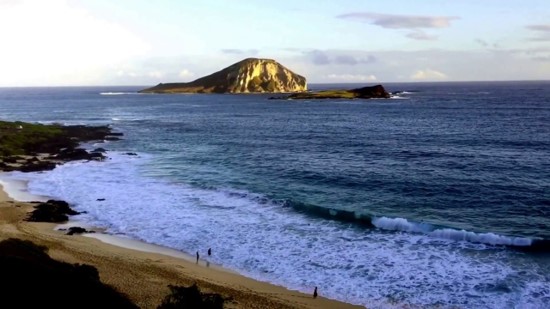
maka-3

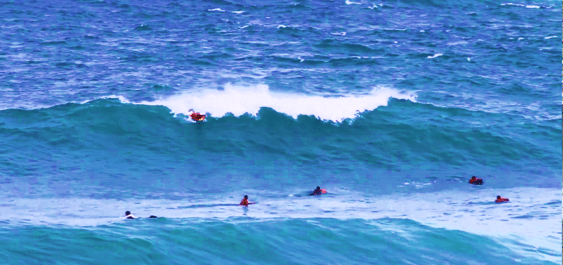
The days at Makapuu would be color-coded with flags; green being nearly flat and some would say uninteresting; red meaning big 8-foot plus surf and rough undertow.  Red days were the best even though an eight-foot wave was bigger than I could safely handle.  Instead of riding these monsters I would desperately swim out between breakers, careful to dive under those curling on top of you. 

Once past the breaker line I could safely ride the swells, letting them take me up and up, then down into the trough, momentarily blocking my view of the coast.  The water is very clear out beyond the churn and spray, and brings with it a kind of peace; a sense of balance within the power of the sea.

Inevitably it was time to swim back to shore and brave the gauntlet of breakers on what I thought of as “the other side”.  I can remember being flipped upside down more than once, and being held against the rough bottom by Neptune’s implacable hand.  Then up and gasping, fighting through the white ocean foam which offered little in the way of traction, like swimming in air without, you know, air.  And finally crawling up onto the beach and collapsing like a primordial sea creature emerging into the sun for the very first time.
maka-1

In thinking back on these times it seems bit reckless, putting myself at risk, held aloft by little more than the crazy confidence of youth.  But that feeling out there on the swells, of the ancient sea letting me share her ways and keeping a memory, deep and blue?  Priceless.
At the Edge.

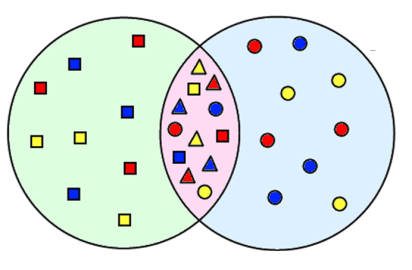
The other day I was listening to NPR during my long drive to work.  The topic was how the melding of different types of instruments and musical styles can create surprising new sounds.  In general, where the edges of the two musical genres meet, wondrous new melodies may appear.

This got me to thinking about how edges are everywhere seen and unseen; and how they can be can the source of much of our creative energy and that much maligned word, diversity.

Consider the edge of two ecosystems; a forest and a marsh.  The region where they meet can create conditions where new species might flourish.  The marsh itself may give way to bodies of water where further biodiversity is seen.  While such regions are clearly opportunistic for some type of plants and animals, these ecological edges can also introduce invasive species which might disrupt the food chain.

edge-1

waterbug

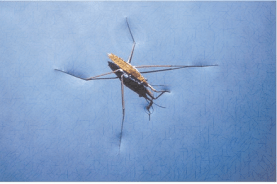
The boundary between air and fluid can form a physical barrier seen as surface tension.  We recognize this natural force in the thin film of soap bubbles or in beads of mercury as they race along a flat surface.   Rain drops are tiny balls of water given shape through surface tension and pulled back to mother Earth in gravity’s embrace.  The water strider insect has evolved the perfect shape and buoyancy in its footpads, allowing it to skate across the water without sinking and thus become a literal example of “living on the edge.”

two

And what of us, the tribal peoples of the world, living in our comfort zones of similarity and identity?  When different societies meet, the cultural edge that forms can bring its own kind of surface tension with a resultant turbulence that can be terrible and destructive.

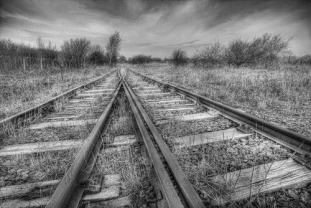
Yet there is a growing body of evidence that suggests cultural mixing can generate ideas neither group could have achieved alone.  Like a bagpipe player in a jazz quartet, the result can bring surprise and delight and wonder.  We stand astride our edges, moving from place to place, from idea to idea, listening to the great world and making the music no one thought possible — until it was.


Whirlwind.


“And so the hours dragged by until the sun stood dead above our heads, a huge white ball in the noon sky, beating, blazing down, and then it happened—suddenly, a whirlwind! Twisting a great dust storm up from the earth, a black plague of the heavens filling the plain, ripping the leaves off every tree in sight, choking the air and sky. We squinted hard and took our whipping from the gods.”

                                                                            ~ Sophocles, ‘Antigone’,  450 BC

We are surrounded by a sea of air and tend to notice atmospheric anomalies great and small.   If the ground is flat and hot and the air cooler aloft, an updraft occurs which is often imparted a spin.  These dust (or dirt) devils occur around the world and bring amazement to those lucky enough to experience them.  They also have been seen on Mars where I hope my Martian counterpart is writing his/her own story.

twister

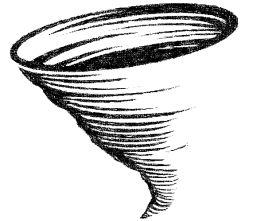
These are not the terrifying cyclones of film that threaten to whisk you and your little dog to Oz, nor are they the ocean-sized storms so powerful that they create their own tides and are given names. Rather, these busy little twisters appear suddenly on clear, hot days and are capable of wreaking havoc on lawn chairs and beach balls.

dancer


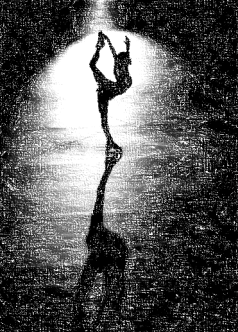
Heat brings pressure and with pressure, movement.  And like a twirling skater bringing her arms in to maintain constant angular momentum, so the whirlwind spins across the land, announcing the physics of the air and asking for balance in all things.