Jell-O and Pudding.

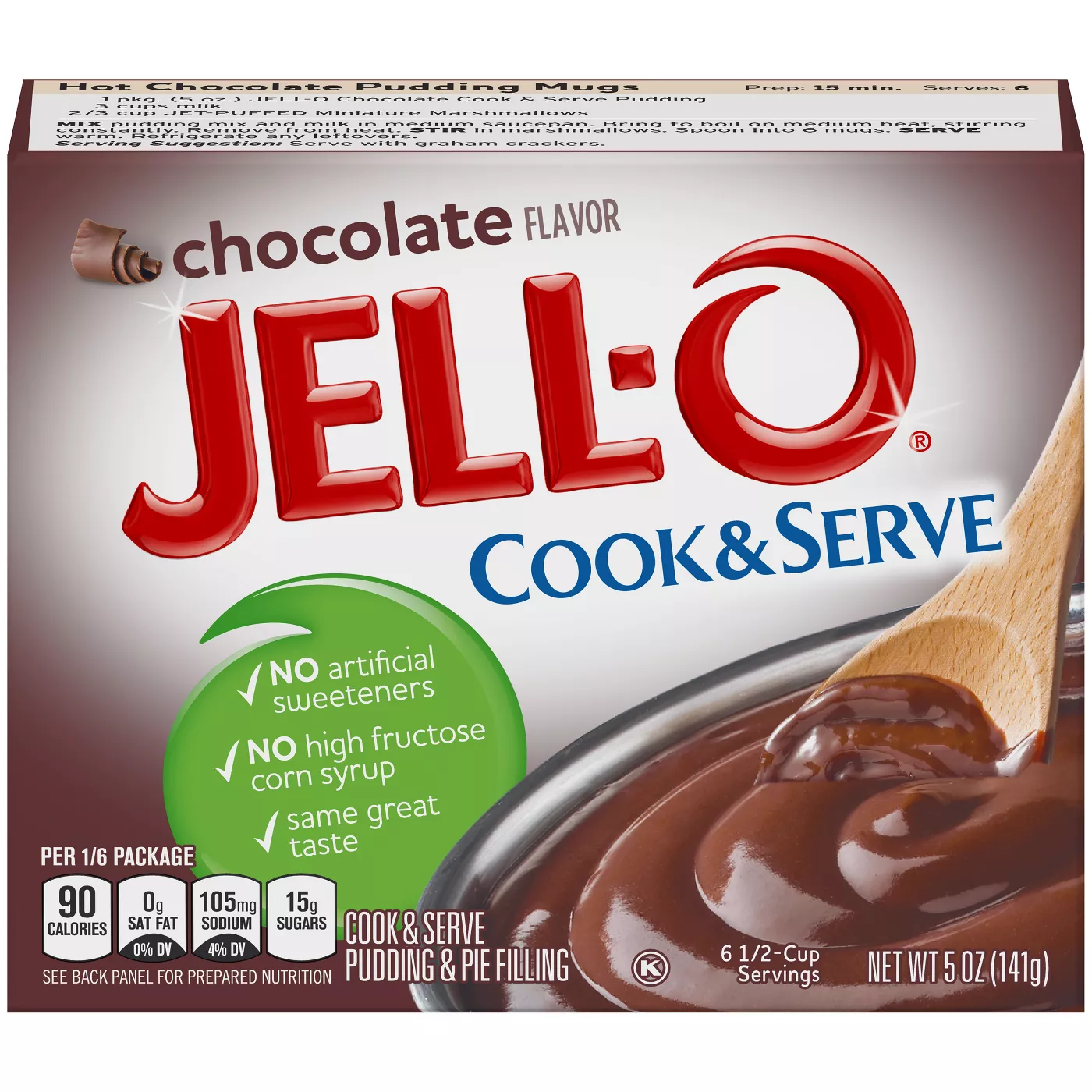
Image result for my jello pudding had this little ball of something in it back in the 60'sJell-O Cook & Serve Chocolate Pudding & Pie Filling - 5oz - image 1 of 4

I am not sure why these two desserts are combined in my memory.  It seems like we either had Jello for dessert, or we had Jell-O brand pudding and that was that.  Oh wait sometimes pound cake, which we pressed into dense little balls we called “neutron stars.”  Not exactly health food but remember that we are talking about kids who drank directly from the garden hose, and less frequently from a spring bubbling up from the ground.  Either we were indestructible or otherwise destined to grow a third eye in our forehead.

Anyway back to Jell-O and pudding.  Jell-O was created way back in 1897 by a fellow named Pearle Bixby Wait.   History notes that he was a carpenter and cough syrup manufacturer, two jobs that seem to have little affinity toward one another and even less toward jell-o.  In truth though the earliest appearance of a gelatin dessert belongs to one Peter Cooper of NYC who, among many other characteristics, owned a glue factory.  Mr Wait took Mr Cooper’s patent and turned his gelatin dessert into Jell-O, adding fruit flavors and marketing and walla, a star was born.  In 1899, Mr Wait sold the rights to Jell-O to the Genesee Pure Food Company of LeRoy, NY for the princely sum of $450.  Upon such transactions does the world turn.

As far as we kids were concerned pudding came in two flavors, vanilla and chocolate.  I remember the chocolate because as it cooled it would form this tough membrane on the surface.  This crust was to die for, although the word “membrane” does not conjure up visions of culinary delight.

These days Jell-O and pudding appear in a range of desserts, and Jell-O in particular has found new life as Jell-O shots, apparently a big hit with the younger crowd, a crowd that likes vodka.



Listen.

Each morning
A tide of light
Dances across
Green fields and farms
Beginning anew
The history of days.

Sky birds
Chase the sun
Insistently soaring
Soft orchestral graces
Fill the warming land
With song.

It is a gift
This hard business
Of listening;
Costing only time
And giving back
Everything.

Spiffy.

Image result for mr peanut

Given a choice many of us would not be opposed to being called *spiffy*, because it sounds like something nice to be, even if we are not quite sure what it means.  Whatever it is, spiffy sounds very positive and put together, never haphazard, chaotic or random.  Mr Peanut, of Planters fame, is quite clearly spiffy.

Surprisingly, the origins of the word are not completely known although it has been around and in use since the 19th century and perhaps even earlier than that.  My research into spiffy suggests that it may be a “cant” word; a word used by members of a group as a form of identity and a way of excluding those outside.  A kind of secret language, or perhaps a type of “anti-language” adopted by smaller clans within a society to express resistance to the standards and mores of the day.

In any case (upper, lower, brief, etc) spiffy comes to us neat and clean and dare I say, dapper?  Those of you in our secret club will tease out the hidden meaning and meet under the clock tower at 4:00am.  Be there or be square mon ami.  Mum’s the word.  Eyes only.  Bring your top hat and spats.

Miso soup.

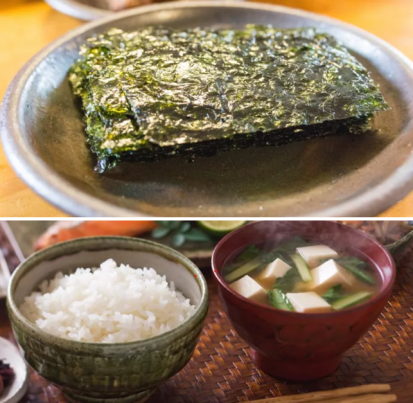
I like simple food, or in any event food which is simple to prepare.  Miso, the japanese spice and the principle ingredient in miso soup, is a favorite of mine.  For me comfort food is miso soup and rice, perhaps with a side of cut and seasoned nori (seaweed). The earliest historical record of miso dates some 1500 years ago, where the use of soybeans was a necessary substitute for meat protein.

nori-miso-rice

I generally mix the rice and miso soup together, placing me smack dab in the middle of culinary heaven, where I can channel Fenton-san of feudal Japan.