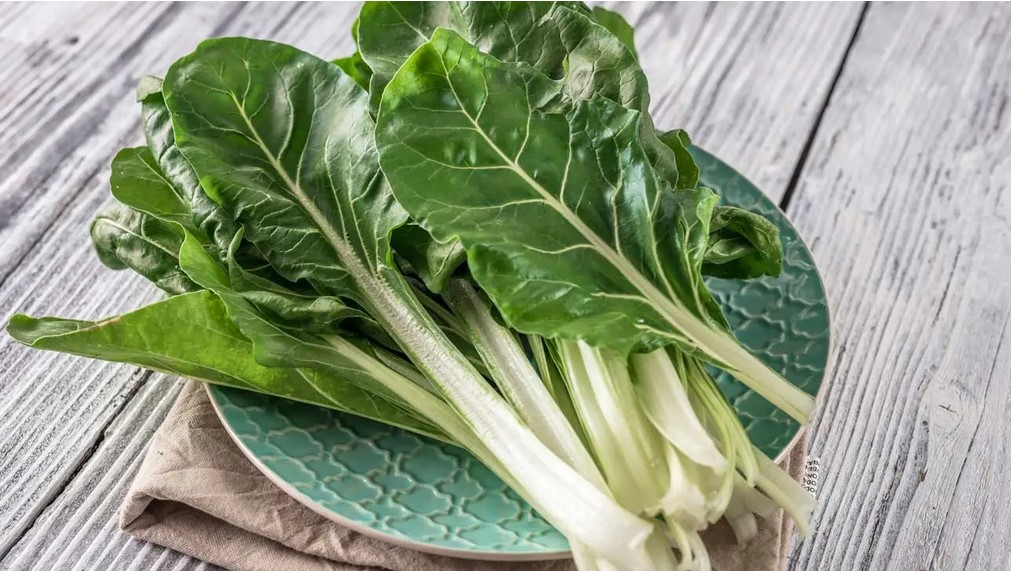
Swiss Chard.

All my early years I remember my father tending his gardens. Because of his love of small scale farming I of necessity developed a taste for vegetables, a fondness I retain to this day. Well not all vegetables mind you; there was always eggplant and acorn squash to send me fleeing to the hills — hills I might add devoid of eggplant and acorn squash.

Swiss chard was always a favorite, although I cannot say exactly why. You can eat the entire plant, stem and all. It is packed with nutrients, making spinach look puny by comparison. Take that, Popeye! Here is a cool fact: In Australia chard is called silverbeet. Once again the Aussies win the battle of veggie names. I mean who else would call a cantaloupe a “rock melon”. Nice.

Anyway, just a shout out to my friend: swiss chard (or silverbeet)
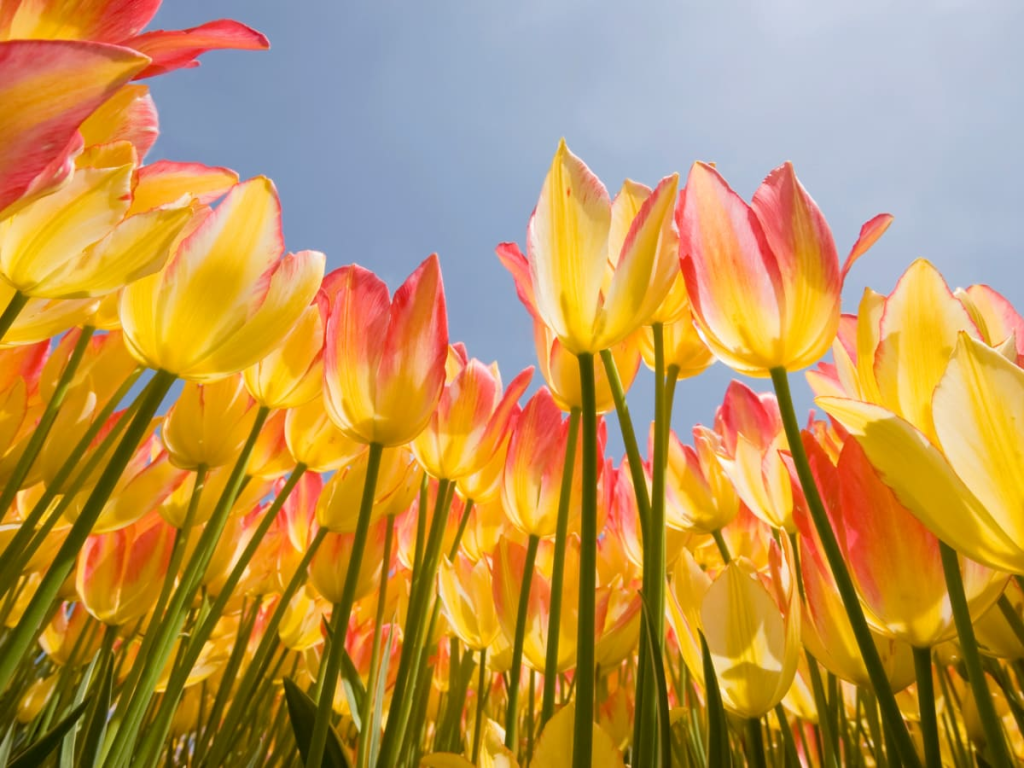
Vernal Equinox.

We know of its coming
Each year a great clock
Twirls hands across the sky,
Mimicking the nature of surprise;
One moment of dark and cold
Replaced by promise and beginnings.

Spring calls the Vernal Equinox
To bring an end to Winter’s grip;
The mathematics incomplete
Tempting uncertain moments,
Gregorian markings turn the page
Making sense of the mystery
For all trapped in Time’s embrace.

The days grow longer
Stealing spots of light
Embolden in their circadian truth
The shadows retreat and Earth renews
Balance restored,
Ever and anon.

Bubble tea.

Whilst living in Singapore in the 1990’s we became exposed to this wonderful drink: Bubble tea. It is a tea-based drink that originated in Taiwan in the early 1980s and was very common in Singapore and SE Asia. It most commonly consists of tea accompanied by chewy tapioca balls (“boba” or “pearls”)

Bubble tea has many varieties and flavors, but the two most popular are black pearl milk tea and green pearl milk tea.

Usually such concoctions are referred to as “an acquired taste”, but bubble tea requires no such acclimation. A yummy drink for a warm day!

portmanteau.

Language is an ever-changing thing. We have words that are, well, words and then words that are the result of blending two or more words together, like chortle (from chuckle and snort), smog (from smoke and fog), brunch (from breakfast and lunch). There is actually a word that describes such combined words: portmanteau. Man we have words for *everything*.

Lewis Carroll was the first to use portmanteau to describe this specific type of word structure, and he then proceeded to go WILD.

’Twas brillig, and the slithy toves
Did gyre and gimble in the wabe:
All mimsy were the borogoves,
And the mome raths outgrabe.

Lewis Carroll, Through the Looking Glass, Jabberwocky

You might find this poem kinda nonsensical, but I have created a word for THAT: portmanonsense.

Heh.

Mote.

It depends
On neighboring things
Maybe a towering monolith
A planet teeming with life
Or a dot unnoticed
casting no shadow.

But size is a thief
And the smallest things
overlooked no more
Swirling on sunbeams
Have their place in the air
Like galaxies held
In the palm of the hand.

Almost random yet directed,
Riding the slightest wind
Glinting in the sun
Reminding us
To pay attention;
Where we look
Is what we see.

sunshine-dust-motes

Wrinkly Fingers.

On one of our numerous walks my daughter asked, “why do we get wrinkly fingers in water?”

You would think something so commonplace would have a simple mechanism but no, my fine little friend, there is complexity is all things; including something so mundane as our skin.

Two essential theories exist: Our skin actually consists of many (6) layers, each connected to one another. The outermost layer of the epidermis — the one you can see — is the stratum corneum and contains dead cells called keratin. When immersed in water, the theory goes, the keratin cells expand like a sponge. To compensate for the increased surface area the layers of skin below are pulled into little mounds or gullies, i.e., wrinkles.

But our merry band of wild-eyed dermatologists are never satisfied and have proposed another theory, that of vasoconstriction. In this case when your body is immersed in water, our nervous system sends a message to your blood vessels to shrink causing blood to move away from the area. The loss of blood volume makes your vessels thinner, the skin folds in over them, and Walla! wrinkles.

Regardless the cause, what purpose could this wrinkling effect serve, the point of the original daughter question *points up*. Again some ideas have been proposed, the most common being that wrinkled fingers are better able to grip wet surfaces. Makes some sense, but the Fenton Theory postulates that it may be that wrinkles are merely a side effect of the complex structures that make up our skin. Those layers, my god.