We have this centuries old relationship with animals. They are our friends, our companions, our workmates, and more recently our YouTube™ stars. We treat them as equals — except for the cats who are clearly our feline overlords. We often receive pets from what we used to call “the pound” — now animal shelter — and these saved beings we refer to as rescue animals.
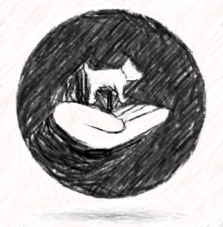
Depending on their age at being cast out and placed in the shelter, the rescue animal’s world view may be driven by instinct, survival and suspicion. The new two-legged attendants will seem tenuous and strange and have an untrustworthy scent. We simply don’t know where these animals have been or how they have been treated before arriving in our homes.
My daughter took in a rescue cat recently and is finding that its behavior is not as “personal” as she expected. It is a nice cat and not a ball of hissing meanness, but it seems to lack certain personality traits that would make it more endearing, not to mention a future YouTube™ star. Its style may also be a result of having been named Goose, but that is pure speculation on my part.
I think Goose just needs time to adjust to his new surroundings. This may take awhile but before you know it Goose will be chasing shadows across the floor and leaping high over invisible rats, much to the delight of millions of adoring fans.
Taking in rescue animals is one of those things that we do that gives hope. Despite our flaws and foibles, our ego and petty greed, maybe we really are OK. And when we save an animal, I wonder in turn if the animal saves us?
In the end we are all rescue animals, filled with doubt and history, learning to trust again down in the dirt where life happens. When we reach up to touch our better angels, sometimes the angels reach back.




 whoisfenton