Most plants appear to us to remain still or at worst move very slowly as they follow the sun. Plants that move quickly are considered novelties with the best example being the Venus Flytrap, with its gaping mouth and scary looking “teeth”.
In Singapore and many other tropical places we would find a type of plant called “sleepy grass” or the less common scientific name Mimosa Pudica. The kids would always be amazed at such small miracles and would play with them for hours. Well the closing up part; they take 15 minutes or so to open back up and this exceeds a child’s attention span by 11,000 percent. I found this animated GIF file which shows the effect. Hypnotic, no?
The exact point of this “sleeping” is not fully understood, since it extracts a fairly large energy penalty on the plant. It may be done to reduce the desirability of the plant to herbivores or perhaps to dislodge voracious ants or caterpillars.


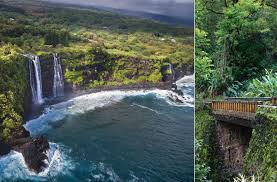 The 50-mile trip can be a physical grind with its over 600 hairpin turns along the cliffs, so
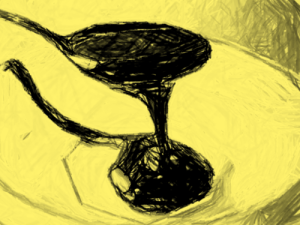 f you asked me to describe the taste of molasses right this minute I would be hard-pressed. Yet as a child this form of sugar was common on pancakes and other, um, things. Yet if you gave me some right now and I tasted it, all the memories would come flooding back — yet the description of the flavor would remain elusive — it is one of those things that tastes only like itself. It is deathly sticky too, and once on your fingers you will be instinctively compelled to seek water and soap, specifically Boraxo, a hand soap designed by shadowy soap scientists capable of removing any substance from your hands, including the first few layers of epidermal material.
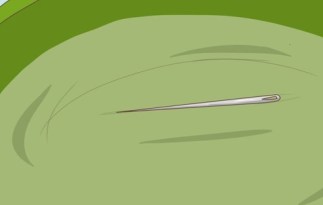 cool. I remember this little experiment we would do as kids, betting each other that we could make a steel needle float on water. Place a small strip of Kleenex in a bowl of water. On this floating piece of paper carefully place the needle. The paper soon saturates and falls away yet the needle continues to float all by its lonesome, held up by the force known as surface tension.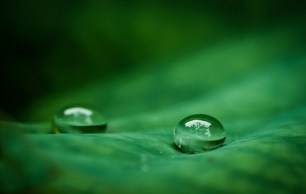
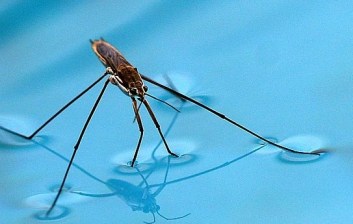 called water-striders glide across the surface of streams and lakes, quite literally walking on water. The pads on their legs and feet are perfectly shaped to balance their weight with the force of surface tension. They clearly read ahead in their physics textbook and anticipated the ol’ floating needle trick. I can imagine an awful lot of water-striders met a watery fate until those smart folks back in the evolution lab came up with the perfect foot design.



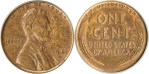 This penny for example, sold for $210,000 at auction in 2010.

 whoisfenton