Those of us who have lived in or visited SE Asia will speak of the sights, the sounds and revel in the ancient cultures, at once mysterious yet oddly familiar. But talk of SE Asia inevitably comes round to the food, and this little blurb is no different. Indonesian food, so savory and rich, is as amazing and varied as the country itself. One of my favorite things is Indonesian stir-fried rice, or Nasi Goreng. Although I am not a huge fan of spicy foods, I find the aromatic mix of spices and soy to more than balance the chili, and I have been known to wolf down great quantities whilst keeping a flagon of water nearby. I am not sure how much a flagon is, but I hope it translates to multiple gallons in the irrational English system of measurement.
Try the Nasi Goreng on your next visit to the ol’ kampung (village). Guaranteed to please.
And sometimes, sitting in my chair I can feel the absence stretching out in all directions– like the deaf, defoliated silence just after a train has thundered past the platform, just before the mindless birds begin to chirp again –and the wildflowers that grow beside the tracks wobble wildly on their little stems, then gradually grow still and stand motherless and vertical in the middle of everything.
~ Tony Hoagland
We are nearing the end our little trip into the past and inevitably, the future.
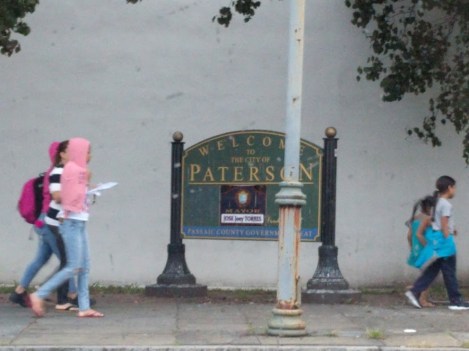
From Burlington we planned to take the ferry across Lake Champlain and then south through New York State, but the ferry service stops on Labor Day in anticipation of winter and ice. So we drove down through the rolling hills of Vermont hugging the lake’s eastern flank until a bridge crossing took us west to New York, then on to Paterson, New Jersey.
The history of Paterson mimics in some ways the history of America, a mill town created by immigrants from all over the planet and powered by the energy generated from the Great Falls of the Passaic River. Back in the day, this hydroelectric power source was a key element in allowing America to become economically independent from British manufacturing.
My goal in coming to Paterson was far less grand. I wanted to visit the city ever since I saw the movie “Paterson”, a slice-of-life story about a bus driver who also happens to write poetry in his spare moments. I thought that since we were there I might as well attempt to recognize the reality of Paterson from the screen portrayal. The short answer is “no”, the movie depicts a highly sanitized version of the actual city, needing to tell a story absent the chaos of real life. Yet the multicultural nature of Paterson still thrives, with immigrant neighborhoods stitched together like a quilt.
We leave Paterson and head back toward Springfield Va, and it is at this point that Matthew suggests that we stop back in Laurel and see if we can find the government caretakers of the old homestead on Loblolly Pine Drive.
He has located a Department of Agriculture visitor center near Loblolly Pine, so we drive there and plead our case to the nice folks, who seem bit amazed that we have appeared with our connection to this place and to the past. Basically the story they tell us is this: The Forestry Research property has been mostly abandon for many years, and the plan is to demolish the remaining structures and let the entire area revert to its natural state. They tell us that only one person lives up there now and mostly he just takes care of the site, but we are welcome to go and look as long as the gate is open.
So off we go, through the open gate and up the hill to the research center. It is clear that nature is well on her way in the planned reclamation. The place looks familiar yet much smaller since the forest, long kept at bay, has begun to take back what was rightfully hers.
loblolly pine drive today
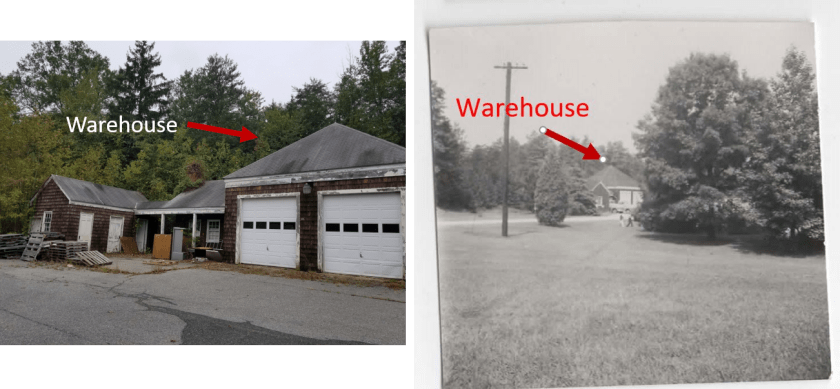
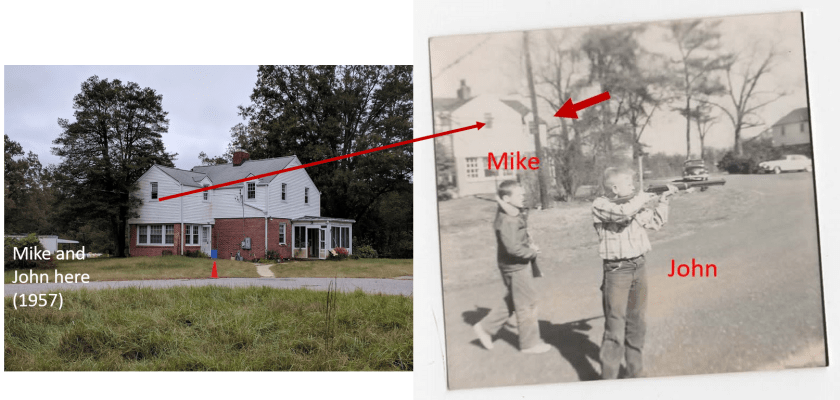
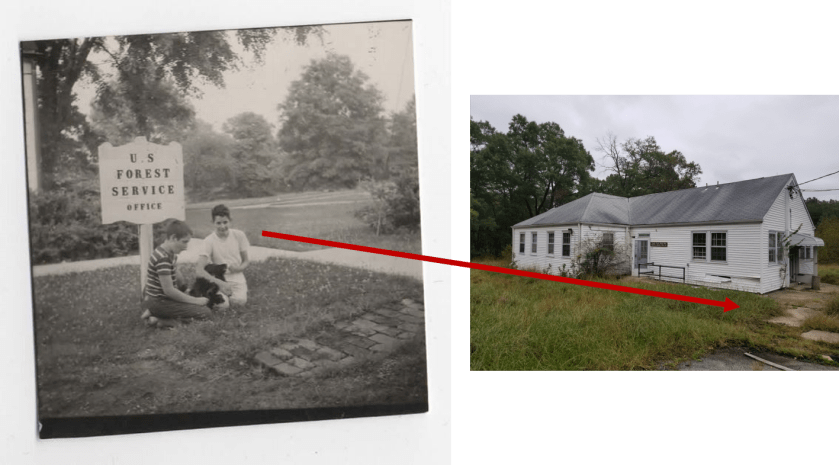
Then and Now photos
Warehouse now and thenThe old house on LoblollyBill and Mike in front of the Research labBill and Mike in front of Zukoff place, now and then
It was a little sad to see the state of the old place up on Loblolly, but of all possible outcomes reversion to the forest is far preferred over yet another golf course, subdivision, or strip mall. A place that studied the forest is preparing to take its last test, and come home. It brings balance, this recycling of the spaces we lived and the times we had, and I am glad we went to see it all again even if the memories seem impossibly distant, like the faded photos in this diary.
I am the last of my tribe and I regret that I didn’t have a chance to share the trip with John and Bill although I did share the pictures we took with Bill in his last days. My kids got to see it though and that is really why I went, to let them know that they are part of the great river, there, in the middle of everything.
“I see the sun, and if I don’t see the sun, I know it’s there. And there’s a whole life in that, in knowing that the sun is there.”
~ Fyodor Dostoyevsky, The Brothers Karamazov
There is no direct road from Portland, Maine to Burlington, Vermont so we have to backtrack down the coast and then head west. Why Burlington, you ask pensively, was this the place of still more Fenton adventures? When the Forest Service closed its research center in New Lisbon, NJ, my father was given a choice of new assignment: Princeton, West Virginia or Burlington, Vermont. South or North. I remember Pop telling us this and I also remember hoping it was Burlington, although I have no idea why. I had assumed that he would go to the northeast because his roots lay there, but he surprised me by choosing Princeton. I guess because he thought it would be cheaper down south and he was always true to his penurious ways. Bill had followed John into the Air Force, so I was left to make the trip south into the heart of Appalachia with Mom and Pop. But that is a story for another time.
As we drive toward Burlington through the incandescent fall foliage, I can’t help but wonder about this other life I never had, there on the northern edge of America. Burlington is a beautiful college town nestled between Lake Champlain and the Green Mountain range. It is the home of the University of Vermont and seems to call out to simpler times.
We are fortunate that even in mid-autumn the warm sun beats down upon the campus of UVM. I was expecting a frozen tundra re-pleat with igloos and dogsleds, and so had packed some serious winter clothes. Instead I am surrounded by students in shorts tossing gaily colored discs in an intense and athletic game of Frisbee. Curse you weather gods! (not).
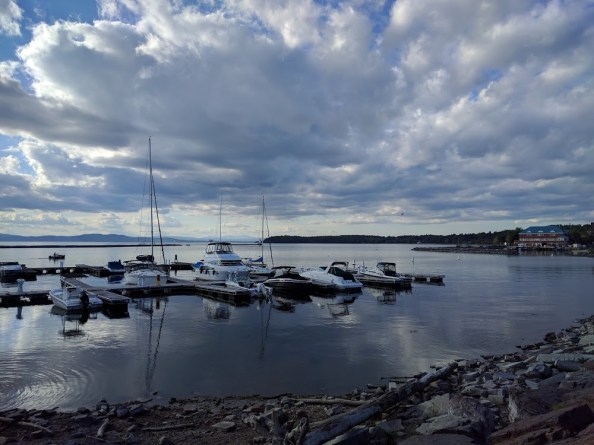
We loved the campus, but we mainly wanted to amble through the town down the hill to the lake. Lake Champlain dominates Burlington and you feel drawn to its shores, if only to gaze out at the enormous, glittering expanse. The local folks have stacked small stones in miniature towers along the shore, perhaps seeking permanence for our transient and immature species. Later, I found that these rocks are a type of shale called Iberville created from the Earth during the Ordovician period, some 400 million years ago. Permanence defined.
Church Street Market is an open air pedestrian mall with all manner of shops and restaurants. We stop at a funky ramen shop and have noodles, refusing to abandon our Asian roots even here in the far north. The waiter brings a fork and spoon and I have to ask for chopsticks. Incidentally, the use of the adjective “funky” is superfluous here because ALL the shops on Church Street are funky. In the dictionary next to “funky” is the phrase “Church Street Market”.
I am not sure what I expected to find here. Would there be a moment of enlightenment where all connected futures are revealed? It is possible that Pop would have still passed away in 1968 and I would have moved out to Hawaii, and all subsequent events of my life would have merged smoothly into the time stream. Burlington substituted for Princeton.
But I really don’t believe that. Like the rocks on the shore, every moment defines the next and so on, building the path upon which we walk. We are on the long ramble now, you and I, and the little directional signs of our lives point forward — never back. I am glad I saw Burlington and the great lake and lived on that land for a single day.
Hobbs: Why are you digging a hole? Calvin: I’m looking for buried treasure!! Hobbs: What have you found? Calvin: A few dirty rocks, a weird root, and some disgusting grubs. Hobbs: On your first try?? Calvin: There’s treasure EVERYWHERE!
~ Calvin and Hobbs
Prior to this trip I had never before visited Maine, much less lived there. Yet it seems like a place I might have lived in another life, a life where I was very cold. Maine is a place where nature permits people to stay as long as they don’t overtly disturb the land as humans are wont to do. It’s odd that we often wish to “escape” the city to spend time in a place like Maine, a place that has largely resisted our need to organize the earth. But this begs the question, why did we construct cities in the first place, only to devise a means to escape from them? Oh wait, jobs.
We are spending this evening in Portland Maine, about halfway up the coast. Portland is a fantastic place, and I wish we had more time to explore the many islands that dot the coast, principally Peaks Island and Diamond Island.
Stephanie is keen to sample the legendary Maine lobster, so we trundled off to find a Lobsteria or whatever they are called. We found a place a bit out of the way, a funky rough-hewn diner that had a bit of that roadhouse look. Stephanie and Matthew got lobster (duh) whilst I settled for some now forgotten food-like material. The trip to Maine was made whole when the lady asked if we wanted chowdah. Yes indeed I do. I almost answered “ay-yuh” but that would have immediately exposed me as an interloper and perhaps subjected me to keel-hauling or other arcane northern ritual.
The next morning we stumble down to the breakfast bar, and instead of the usual eggs and bacon I take a wild gamble on the oatmeal. It had been decades since I last had oatmeal and it’s odd that I still actually like it, given my opposition to all things guck. I can still hear my mother in her lilting Irish brogue, telling us that it “sticks to yer ribs” before watching us streak out the front door and into the cold morning air. In homage to that long ago time I promised myself that I will start making oatmeal regularly in the morning, Here in a place I never knew, a memory is triggered and an old dog is taught an old trick. Calvin was right.
Next stop; Burlington, Vermont, a place I would have lived except for one fateful decision by Pop in 1965.
“I cannot fix on the hour, or the spot, or the look or the words, which laid the foundation. It is too long ago. I was in the middle before I knew that I had begun.” ― Jane Austen, Pride and Prejudice
My father attended the University of Connecticut in Storrs, Connecticut and received an undergraduate degree in Forestry. I often wonder what drove him to take up the study of trees; to consider the place of the hickory, elm and pine. I think his obsession with forest ecology led to my own amateurish fascination with trees, whom I consider gatekeepers of the planet and who serve as silent witness to our petty squabbles, down here on the ground.
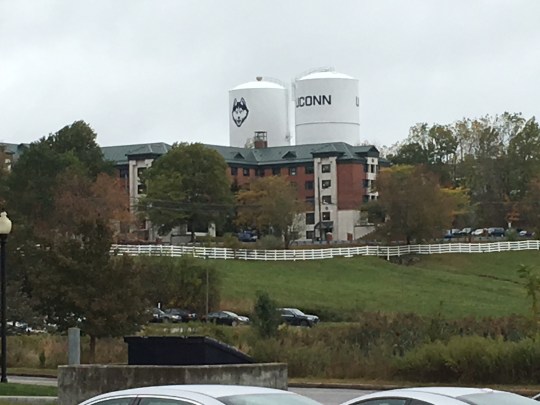
As we drive through the UConn campus I am struck with the similarities with N.C State down in Raleigh, most likely because these great universities began as agricultural schools and evolved into the sprawling campuses of today.
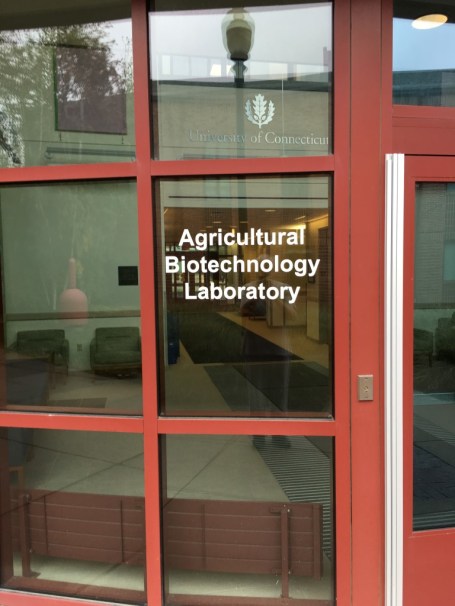
The school of forestry has grown over the years and I found a door that said this:
which is what I expect a door to say after 80 years or so.
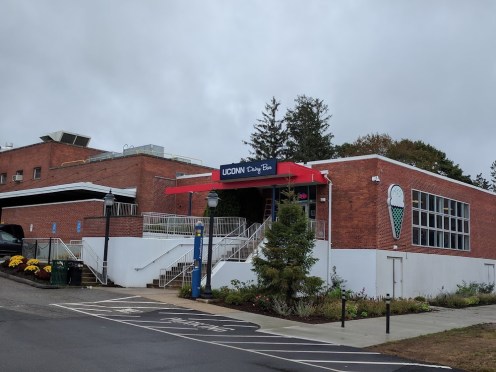
UConn has some of the best ice cream around, all made right there on campus with ingredients supplied by the Benevolent Union of Cows. This as what writers call a harbinger, as we will eventually go to Burlington, Vermont, birthplace of Ben and Jerry. In Storrs, we prepare our palette for that future moment.
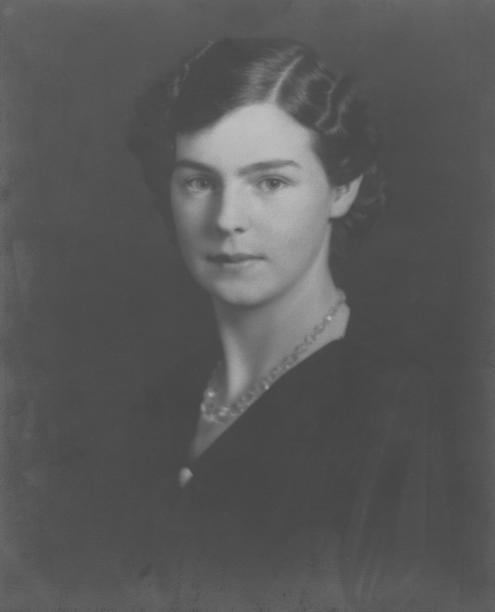
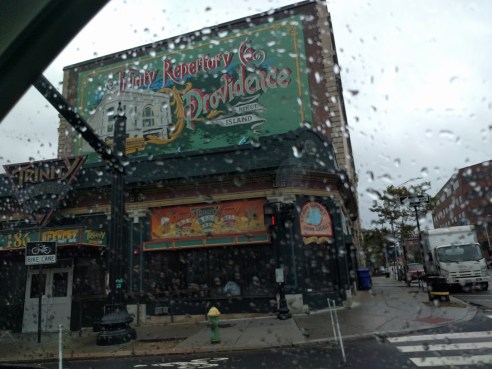
From Storrs, Google takes us through the beautiful Connecticut countryside toward Providence, Rhode island, the place where Mom was born. I know almost nothing of Providence or my mom’s home or of the Dunphy family. Mom was first generation Irish and spoke with an Irish accent. I remember Mom’s sister, Aunt Gertrude in NYC, would come and visit with stories from NY. Aunt Gertrude never married and never owned a car, although I am not sure if those two events were in any way related. Here is the earliest photo I have of Mom:
Mary Dunphy (Fenton) – Year unknown
We drive through Providence and to me it is just another big city. I feel no family connection here although if there is a shanty Irish part of town, that is where I would find Mom’s stomping grounds.
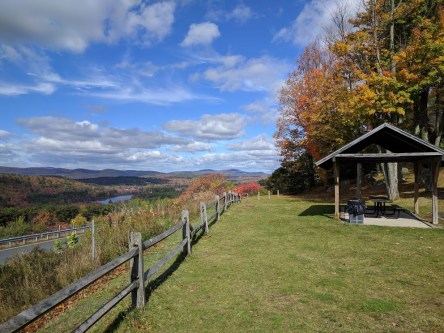
We turn north through Massachusetts, skirt Boston and head into New Hampshire. This part of the trip ventures into places I share no history, at least as far as I know. Once we make New Hampshire the persistent rain which has followed us like a banshee decides to relent, and we are presented with the kind of vista all road trips should experience at least once.
Now, *that’s* a picture.
We soldier on toward Maine, a state I always wanted to visit although I am not sure why exactly. It just seems kind of cool I guess, with a rough-hewn coastline and giant rocks everywhere. I mean what else do you need?
I have always assumed the borders between states to be mostly imaginary lines drawn on maps, but between New Hampshire and Maine you have an actual bridge over a real physical barrier aka the Piscataqua River. This border came under some dispute back in early 2000, as both Maine and New Hampshire laid claim to Seavey’s Island, smack dab in the middle of the Piscataqua. Spoiler alert! The US Supreme Court ruled in 2002 that Seavey’s belongs to Maine, although it seems to me that it should belong to “Seavey”, otherwise why bother with all this pesky naming at all?
As we cross the river into Maine I notice two phenomena: (1) There is a dense fog bank on the Maine side, and, since Maine is where Stephen King lives, there are probably giant *things* in the fog, and (2), there is a long line of cars headed south, clipping along as a leisurely 1 mile per hour. And by long I mean 4-5 miles long. Apparently this is common on extended holiday weekends as the folks from NY, Mass, Conn all head back at the same time. On the other hand they could be escaping the giant things in the fog. Regardless, I feel bad for all these folks having to endure the grind and the thousands of plaintive cries of “are we there yet?”
Tomorrow will bring us into Portland Maine, where we will sample the famous lobster.
“Each person who ever was or is or will be has a song. It isn’t a song that anybody else wrote. It has its own melody, it has its own words. Very few people get to sing their song. Most of us fear that we cannot do it justice with our voices, or that our words are too foolish or too honest, or too odd. So people live their song instead.”
― Neil Gaiman, Anansi Boys
The kids and I leave New Haven behind and head off into the wilds of Connecticut. I used to tell everyone that I was born in Storrs, Connecticut, the home of the UConn Huskies, but it would be more accurate to say that while I was born at the hospital in Storrs, I lived my first two years a few miles down the road in the small town of Willimantic. My grandfather owned a house on Church Street and I have vague memories of visiting there as a child and walking through the pines behind his house. I can still recall the crisp, dry pine scent and the crunch of the thick mat of brown needles. I want to retrace those steps but our first mission to see if we can find the house on Church Street.
Willimantic is a classically rendered New England town and we find Church Street easily enough; it is after all a short lane directly off Main Street, placing it in the exact center of Americana. It was overcast and gray this day in early October, unseasonably warm so as to not offend our equatorial sensibilities.
If I were a better genealogist / cartographer I would have done my homework earlier and figured out which of the fine old houses on Church Street was Grandper’s house. I apparently assumed that it would just suddenly occur to me in a flash of memory as we drove along, but in retrospect this was just my foolish pride relying on the whimsy of conceit. We pulled to the side and I called my brother Bill and left him a message in hopes that he would simply know the address. The kids await my instructions, suspecting that while we found Church Street, reliance on ol’ Dad’s memory was not going to find Grandper’s house this day.
I tell them,” let’s go see if we can find Margaret.”
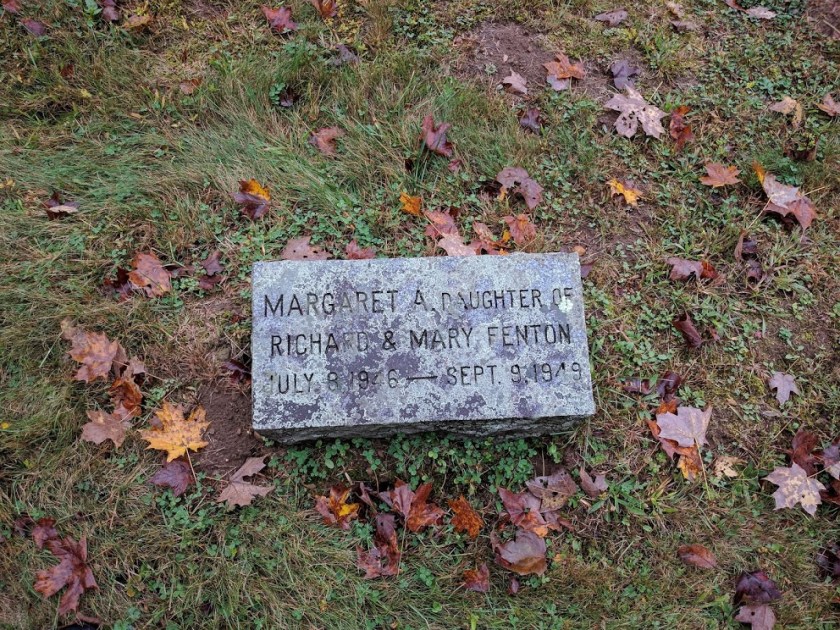
My sister, Margaret Ann Fenton, died in Willimantic on the 9th day of September, 1949, just two weeks after I was born. She was only three years old on the terrible day she was found in a nearby pond.
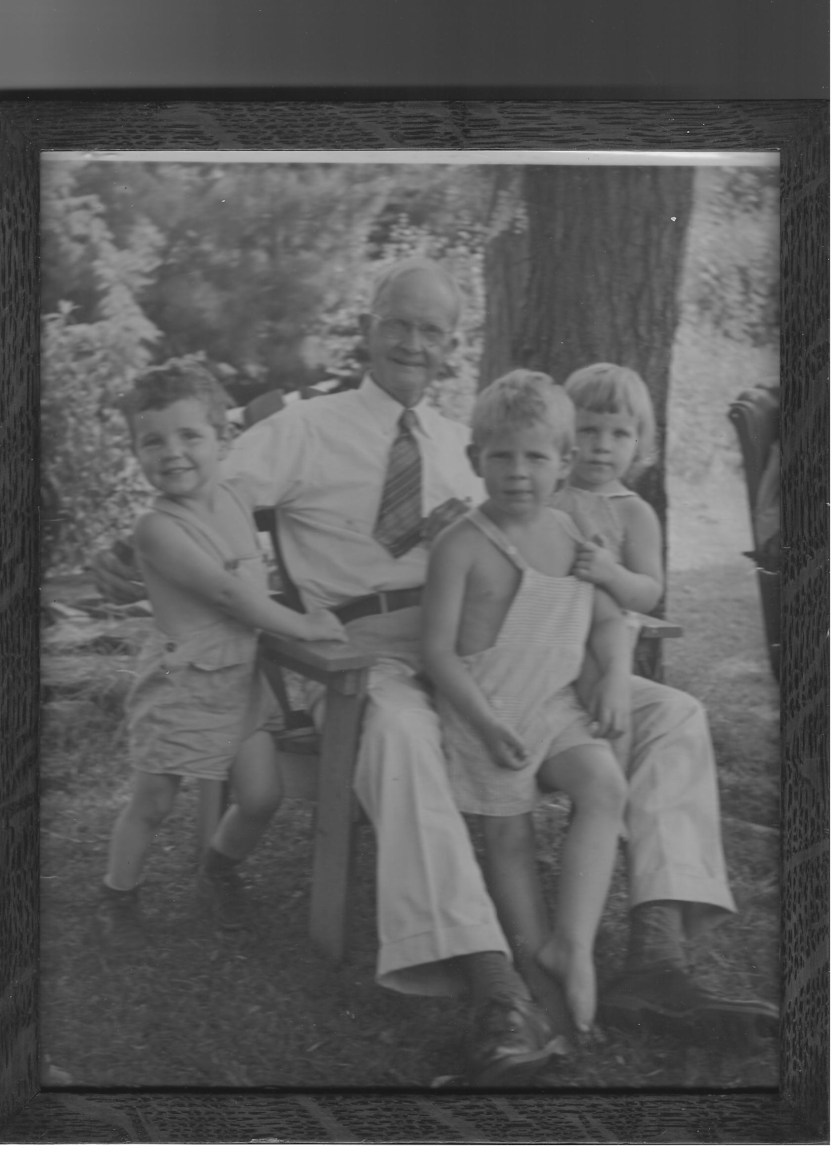
Left to right; Bill, Grandper, John and Margaret – at the house on Church Street
I know the approximate location and address of the cemetery in Mansfield so we off we go, leaving Church Street behind.
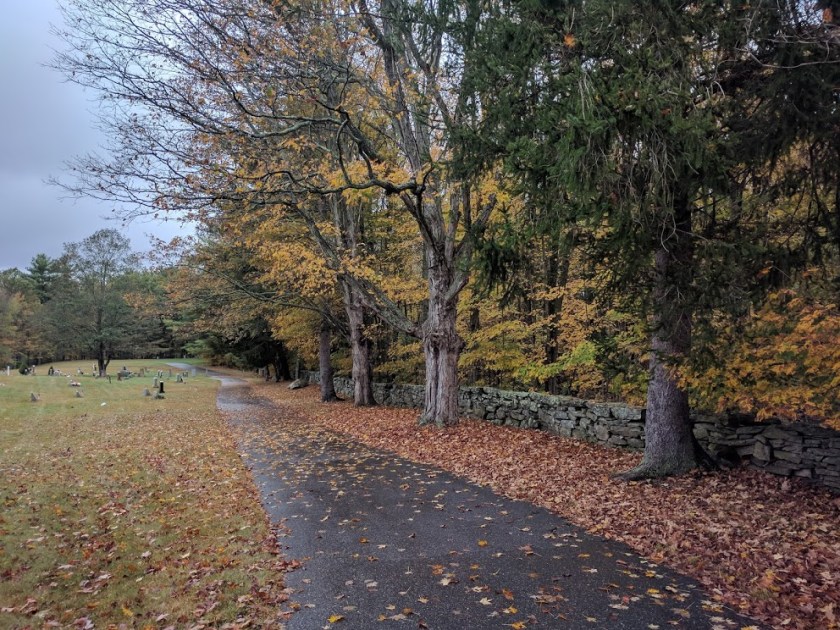
We find the Mansfield cemetery down a narrow country road. It is set far back and away from any dwellings
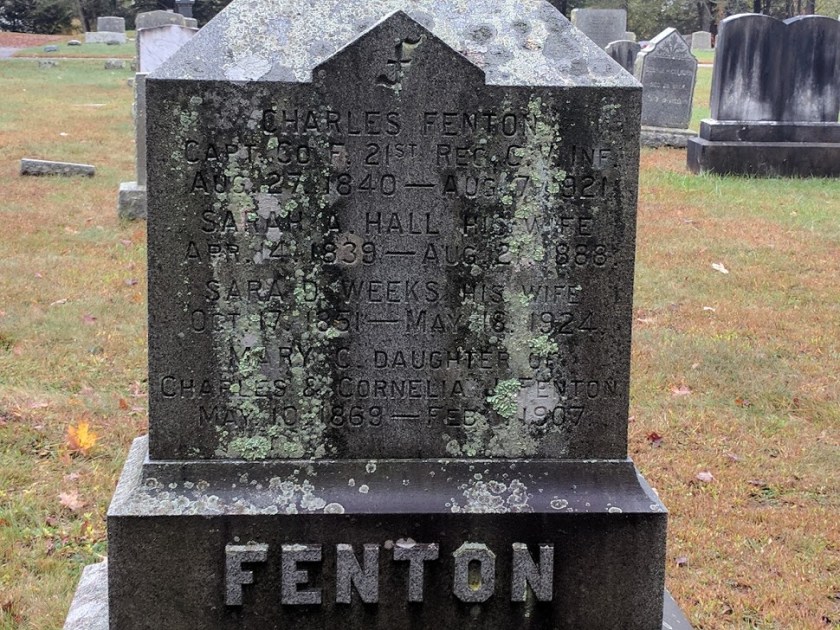
We pull in the narrow entrance and quickly realize that there is neither caretaker nor map. We are on our own. I have a plot number but no way to locate it and once again my hopes are dwindling. We drive slowly around the quiet sylvan setting looking at ancient headstones, some dating back to the 1700’s. I am about to give up when incredibly I spot a large headstone saying FENTON. We stop and approach. The headstone is very old and etched with the names of ancestors who lived long ago.
I realize that this is a family grave site, hundreds of years old. And there, on the ground, is another stone.
I have found Margaret only by the sheerest of happenstance, as if she was calling out to me. As I look at her resting place I cannot help but think of this little girl waiting patiently all these years; waiting for her little brother to drop by for a visit and introduce his kids. I would like to tell her about all the things we said and did and saw and thought and dreamed. We share the Fenton name and here in this quiet place we meet at long last, along the arc of time. Had she lived she would have been 72 this year and the stories I am writing now would have been very different, in ways I cannot imagine.
I often think about the choices we make or are made for us, and how so many things had to happen just so to find us here and now. These thoughts lead me to consider destiny and the road we are fated to take, yet I know with certainty that time flows only forward and we ride bravely on, passengers headed to what is profound and possible. Imagining a life with different choices is the stuff of stories and dreams. We are at the place our journey took us and no other. The rest are ghosts.
I could never sing my song, so I lived it instead.
“All the rivers run into the sea; yet the sea is not full…” ~ Richard Brautigan, “The Return of the Rivers”
We are on our way to New Haven, Connecticut to eat pizza and see Yale University, not necessarily in that order…oh wait yes, precisely in that order. I note on the map that there is this large barrier blocking our path to Connecticut, something called “New York City”. Google is once again in charge and tells us that it would be a good idea to avoid the George Washington Bridge through NYC proper and head up the Jersey side and attack Connecticut from the west. All of this sounds vaguely like an army preparing a battle plan, which I guess in a way we are.
For some reason I always thought of New Haven as a little rural college town like Chapel Hill. It is actually closer in size to Raleigh which is the big city down in these here parts of Carolina. New Haven is surrounded by, or maybe comprised of, the municipalities of East, North and West Haven. I wondered if there was a *South* Haven but if so it would have to be in the ocean and be called Atlantis.
Anyway, the entire Haven family is collectively a pretty cool place and beside being the home of Yale University it is also the city with arguably the best pizza in the USA. The locals refer to these pies as “apizza” in deference to the source culture and language of Naples, Italy. Another oddity is that the mozzarella cheese topping is referred to as “mootz” by long-time residents. I am pretty sure if foreign interlopers such as ourselves attempted to use these words, the local linguistic police would descend, whisk us away to some drab cellar and force us to listen endlessly to Dick Van Dyke painfully attempting to mimic a cockney accent in Mary Poppins. (In the previous sentence I almost wrote “linguine police” which would have been a mondo cool typo).
Pepe’s and Sally’s are the two legendary New Haven pizzerias most sought after by tourists and locals alike, so we head there to see what all the fuss was about. 3:00PM on a Sunday in October and the lines are out the door in both places! Who knew?
We settle for a place with NO waiting lines which I, Mr Literal, have named the NoLinesNewHavenPizzaPlace, or NLNHPP for short. The pizza at NLNHPP was out of this world – it’s hard to describe how good this thing was — although to be fair I didn’t try the white clam pizza because, guck. If I lived in New Haven I would eat pizza exclusively and weigh 300 pounds. Hello, the name is Mootz, MIKE Mootz.
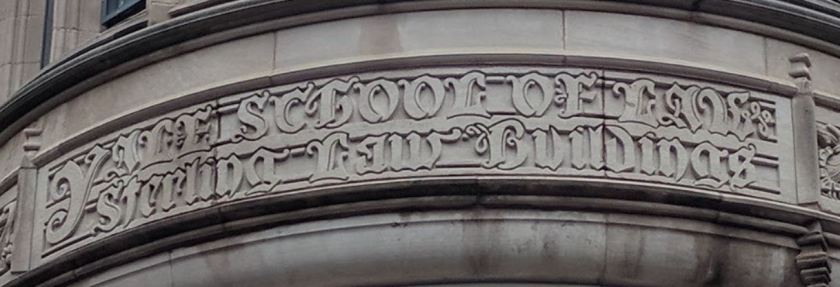
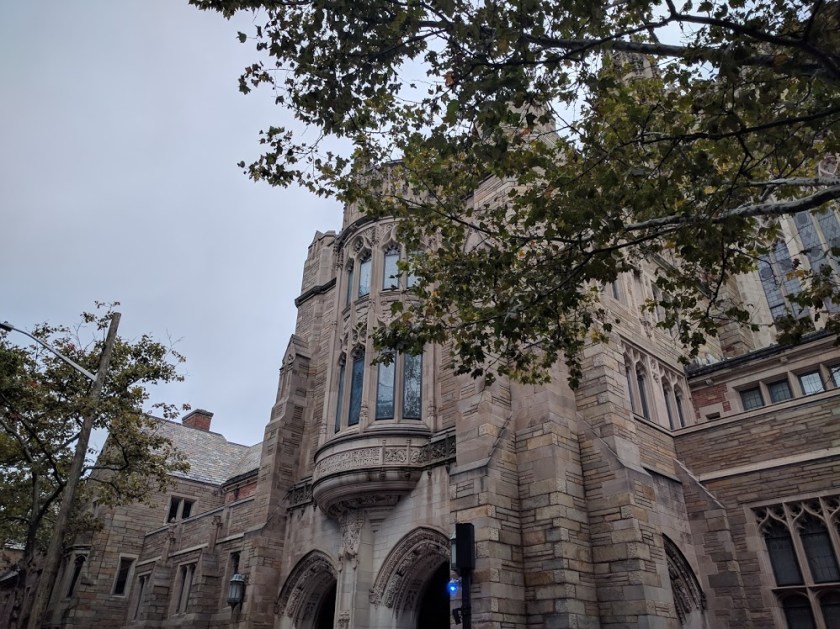
We are here not for the pizza but because the Fenton clan has Yale connections. My father graduated in 1939 with an MA in Forestry, and my grandfather received a Law degree in 1901. The kids and I wandered about the campus in New Haven, mingling with students and tourists alike. I guess I should not have been surprised at the tourists; after all they were watching us as we were watching them. We stood outside Yale Law School where my grandfather attained his law degree.
I suppose it might be said that there is a sameness about university campuses, but the great institutions like Yale carry the weight of history in and among the buildings. It is a palpable presence, the ghost of past discoveries clinging like intellectual ivy to the sandstone walls. It has been 117 years since my grandfather walked the halls and grounds of Yale, nearly 80 years since Pop did. We came here to pay our respects to the University and to those in our family who were part of it.
Tomorrow we drive west to my place of birth to try and find Granper’s house in Willimantic, Connecticut. Then to Providence, R.I. and up to Portland Maine.
“…There are things you can’t reach. But you can reach out to them, and all day long. The wind, the bird flying away. The idea of God. And it can keep you as busy as anything else, And happier; I look; morning to night I am never done with looking…”
~Mary Oliver
Some fifty years after leaving I have come back to New Lisbon, NJ. Matthew and Stephanie are with me and I wonder what they think of this small village in southern New Jersey that lacks a discernible center, an ordinary place with no defining characteristics. No great towers or museums or rivers or stadiums; just houses, fields, roads and trees scattered about like discarded toys on a playroom floor. I almost feel embarrassed at the plainness of New Lisbon, with its raging simplicity that confounds the memory in defiance of grandeur. It should be more dramatic, but it simply is not.
Still, life happens in small towns and here are some things I do remember.
I struggled at Pemberton Township High School, not because the material was beyond me, but because I actively sought the middle. This was the time in my life where I basically hunkered down and tried to avoid attention. Once, I remember winning a National Merit Scholarship award. When my name was called in assembly I ducked my head and became invisible while my juvenile delinquent pals snickered and called me egghead, in their world a mark of shame.
In November of 1963 the school broadcast over the loudspeakers that President Kennedy had been shot and that we should pray for our country. Little did we know how profound that loss would be and how tumultuous the decade to follow.
On this trip I tried to find the old high school but it had long since been replaced by a great gray cluster of buildings that look vaguely like a prison complex. I sought out the history of the school but it only went back as far at 1990. 1965 apparently has been relegated to the ancient mythos of prehistory. Perhaps I could find the fossilized remains of old term papers?
This was also the time and place that Baseball became my bedrock; from playing organized ball in the Babe Ruth League to keeping intricate and detailed box scores of my favorite team, the Yankees. Mickey Mantle was my hero then and I tried to copy his swing when I played. The Mick played center field, so I played center field. I was never really an athlete; just a kid who liked to play ball.
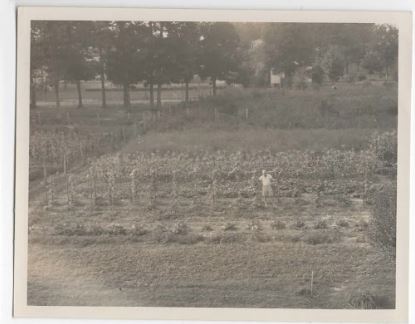
The garden. Everywhere we lived Pop had a garden. Below you can see the one in New Lisbon with Pop checking his handiwork. Pop would can everything possible, but mostly I remember a cellar filled with row upon row of mason jars filled with snap-beans.
I would often ride my bike the four miles out to this circle ironically called “4-Mile Circle”, quite an adventure since this was a time before such things as bike lanes. At the intersection was a diner which served this amazing thin-sliced ham sandwich piled so thick it was a challenge to bite it.
The kids and I rolled out of New Lisbon with a better appreciation of the place that was so central to my upbringing. Next: New Haven and Yale University.
“…everything is necessary. Every least thing. This is the hard lesson. Nothing can be dispensed with. Nothing despised. Because the seams are hidden from us, you see. The joinery. The way in which the world is made. We have no way to know what could be taken away. What omitted. We have no way to tell what might stand and what might fall…” – Cormac McCarthy, The Crossing
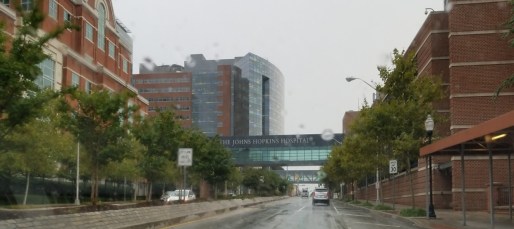
The drive from Laurel Maryland to New Lisbon NJ might appear on the surface to be uneventful — and it would be — unless you instruct Google to pick the route that avoids toll roads. In this case Google sends us through downtown Baltimore in a twisty path designed to consider some of that fine city’s less visited neighborhoods. At some point I realized that while I was actually driving the car, I was also a kind of passenger. I wanted to ask the kids, “are we there yet?” This route did take us right by Johns Hopkins Hospital, a place I recognized from some work I did in the 90’s whilst in Singapore.
You may be wondering why we are headed to New Lisbon, NJ. In 1961 Pop transferred from Laurel to a forestry research center in southern New Jersey, near the town of Pemberton in the tiny village of New Lisbon. And by tiny I mean a grouping of a few houses that these days might be lucky to be called a neighborhood. Brother John had joined the Air Force immediately upon graduation from Laurel High School, so the family in New Jersey was Mom, Pop, Bill, myself and assorted animals. The four years I lived there remain indistinct in my memory, as if remembering a book written about events that happened to someone else. These are the years when I entered puberty and became a teenager with all that implies, so I may have suppressed some of it for the sake of my sanity – and yours.
New Lisbon and its surrounds are one reason why New Jersey is called the Garden State. The region is a patchwork quilt of farms large and small which might surprise given its proximity to Philadelphia. I was oblivious to this while growing up there — I truly cannot remember thinking about the farmland surrounding me. To the east lies the mysterious and forbidding pine barrens, home of the legendary Jersey Devil.
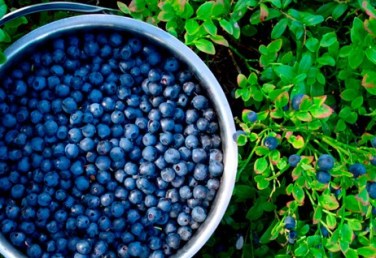
I can remember one hot summer picking blueberries for the Tru-Blu-Berry Cooperative which, besides the forestry research center where Pop worked, was pretty much the only employment in town. Bill and I worked side-by-side with the migrant workers, dropping berries into metal pails hung around our necks with thick rope straps. The berries were large and sweet and eating them was allowed as long as you accepted the cruel calculus that each berry consumed is one less for the pail. The migrant workers are professional and relentless, rapidly stripping berries from the tall bushes and filling their pails like a scene filmed using time-lapse photography.
When our pails were full we would trudge back to the shed where the company reps would weigh our pickings and pay you per pail by weight. More than once Bill caught the guy (“The Boss”) putting his foot under the scale to cheat us. We were rubes in the business of harvesting and therefore prime targets for deception in this capitalistic rite of passage. At first Boss would get mighty peeved when his game was exposed but Bill never backed down — we got paid in full and garnered hard-won field cred in the process.
In thinking back, that job was physically the hardest I ever worked for what was really minimal income, but I valued every dollar I made out in the fields, under the unforgiving sun.
Fifty-five years later here we are, driving past the long abandon Tru-Blue property in New Lisbon, the roof of the warehouse sagging and broken, the loading dock rusted and gray. Time in its linear way has moved on for the Cooperative as it has for the migrant workers who toiled here so many years ago and the two Fenton boys who briefly shared their space. The people who live in New Lisbon today and the cars that drive through this unremarkable little town give scant attention to one old neglected warehouse. But it has a story to tell, as do we all.
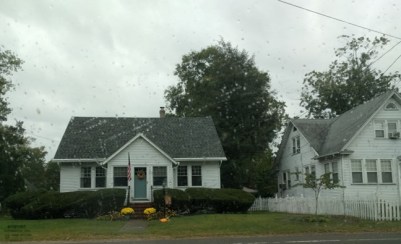
We parked in front of the old house which was our home for nearly four years. It seemed smaller somehow, diminished as though the years had begun to take back what had been given. Had I been more bold I would have knocked on the front door and introduced myself, but that seemed a little strange even to me so we just took some pictures.
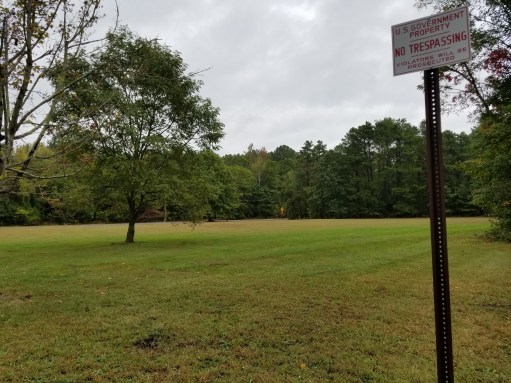
The field across the street where I played baseball and touch football now had a sign saying “Property of US Government: No Trespassing”, making me wonder what exactly was being protected there and if a squadron of black helicopters were hovering nearby.
(The next chapter will complete the New Jersey part of our journey, and send us off to New Haven, Connecticut)
“One had to go back several steps, and start again; and know the place for the first time.” ~ John Fowles, The Magus
These next few entries in Good Stuff are my travel diaries of a trip I took with the kids in early October 2017. We visited many of the places I lived growing up and some other places that are part of Fenton history. I guess a kind of bucket list trip.
October 7, 2017: Day 1, Annapolis Maryland. My father Richard and his brother Charles attended the Naval Academy and subsequently went off to WWII with the Navy, Richard on a PT Boat and Charles on an aircraft carrier. My grandfather, Horace Jewel Fenton, taught constitutional law at the Academy at a time long ago when civilians were permitted to teach there. Richard and Charles were born in Annapolis as was my brother John. Our roots run deep and wide, there on the shores of the Chesapeake.
My intention on this stop was to stroll the streets of Annapolis and have an early dinner at one of the wonderful seafood restaurants. Alas, ‘the best laid plans’ as someone once theorized. There was a boat show that day plus a football game and hence nary a parking spot nor hotel room to be found.
Instead we found lodging over near Fort Meade Maryland, a place of Fentonian fame in the 50’s because the three Fenton boys would Schwinn madly around the base, watchful of military vehicles. Back in the present, the lady at the hotel front desk told us that she was from Annapolis, but that she hated the traffic on event days which seem to occur with greater frequency each year. The purity of the mental image of Annapolis thus crashed headlong into reality of modern life, with its frustrations and tensions and lack of parking.
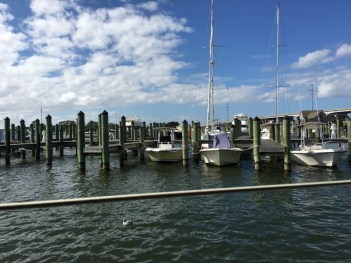
The hotel manager suggested instead that we try heading east over the Chesapeake Bay Bridge and sample the seafood at Harris’ Crab House in Grasonville, Maryland. We did just that very thing and it was wonderful, sitting outside and watching gulls soar hopefully past with a floating armada of ducks below. We listened to the lap of waves against the hulls of moored vessels, a symphony poised between nature and design. The Chesapeake Bay engages the senses and reminds us of our connection with the sea and the mutinous bounty she offers.
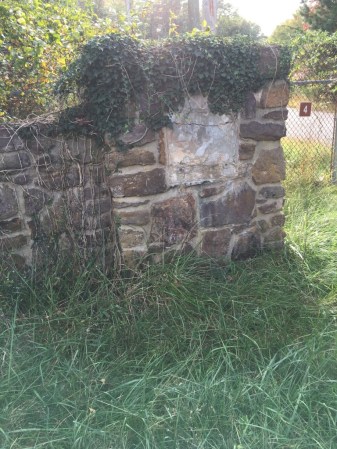
On the way back to Fort Meade we still had light so decided to press our luck and head over to Laurel Maryland, the place the three brothers – John, Bill and Mike – grew up and where we lived for nearly ten years. This living arrangement was strange as I think back on it. We occupied a big old house on a US Department of Agriculture government compound out on Maryland 197 between Laurel and Bowie. My father worked there in the 50’s doing forest product research for the US Forest Service. We left Laurel in 1961. In late afternoon on this day in 2017 I find myself standing before the entrance to the research center, fronting a road now called Loblolly Pine Drive. The research center signage has grown old and faded and overgrown with bushes and vines. On one side it is missing altogether.
At some unknown point in the past a gate had been added with a warning that this was Property of the US Government and that trespassing was not allowed. I toyed with the idea of going in anyway and risking the threat of black helicopters suddenly descending to take us into custody, never to be heard from again. We decided not to chance it on this day, but as it turned out we would be given another opportunity thanks to the analytical mind of Matthew. Stay tuned.
Day One was a long one, but we know that tomorrow will be longer still as we head north to the tiny hamlet of New Lisbon, New Jersey, through New York and on to New Haven and Yale University.







 whoisfenton